Our Terminals
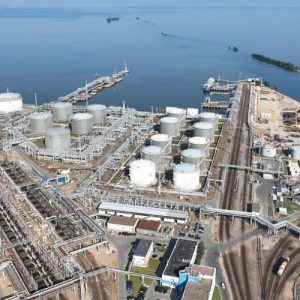
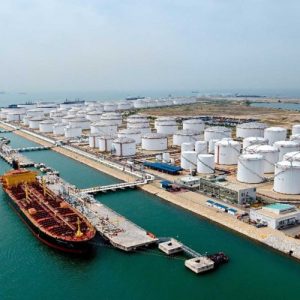
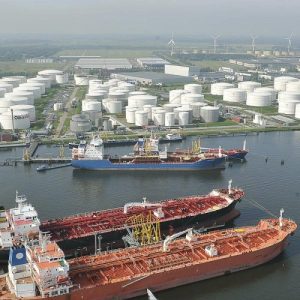
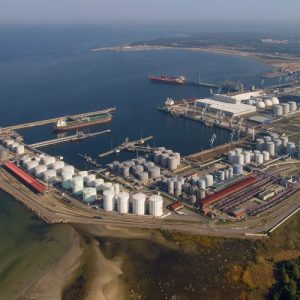
Our terminals are strategically located and equipped for efficient
handling of oil, gas, and chemicals.
handling of oil, gas, and chemicals.
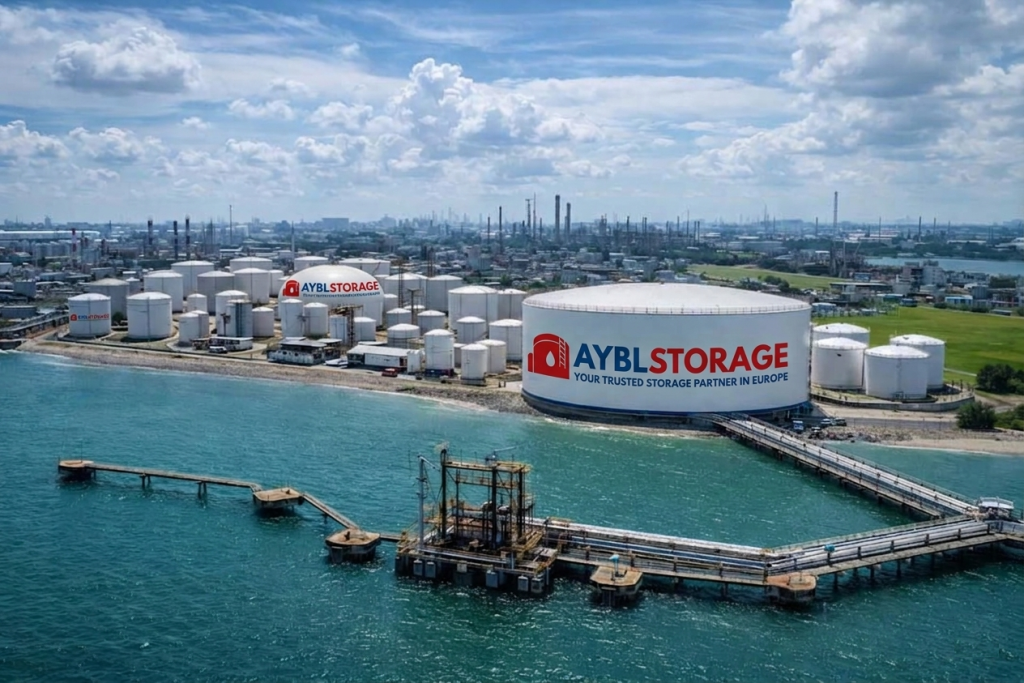
Strategically Located Global Terminals
Rotterdam Terminal
Description: Europe’s largest energy and logistics hub.
- Key Statistics: Extensive storage capacity, multiple deep-water berths, and complex pipeline connections.
Fujairah Terminal
Description: Key Middle East oil storage and export center.
- Key Statistics: Strategically located on the Gulf of Oman, handling massive crude and product volumes.
Houston Terminal
Description: Strategic gateway to North American energy markets.
- Key Statistics: Integrated with the Houston Ship Channel, processing wide-ranging oil, gas, and chemical flows.
Jurong Terminal
Description: Integrated with Asia’s leading petrochemical network.
- Key Statistics: Located on a world-class industrial island with sophisticated storage and handling infrastructure..
Antwerp Port
Description: A critical European chemical cluster and breakbulk hub.
- Key Statistics: Home to some of the world’s largest petrochemical companies and a major logistics gateway.
Ningbo Zhoushan Port
Description: The world’s largest port by cargo tonnage and a vital bulk cargo hub.
- Key Statistics: Dominate deep-water capabilities, essential for importing iron ore, coal, and crude into China
Ulsan Port
Description: South Korea’s largest industrial port and a major global hub for petroleum, petrochemicals, automobiles, and shipbuilding industries.
- Key Statistics: One of the world’s leading liquid cargo ports, handling vast volumes of crude oil, petroleum products, chemicals, and vehicle exports, while serving as a critical gateway for South Korea’s industrial economy.
Ras Tanura Port
Description: One of the world’s largest oil ports and the principal export terminal for Saudi Arabia’s crude oil and petroleum products.
- Key Statistics: Operated by Saudi Aramco, Ras Tanura handles millions of barrels of crude oil exports daily and plays a pivotal role in global energy supply chains, making it one of the most strategically important oil terminals worldwide.
Terminal Capabilities
- Deep-water access for large vessels
- Multi-jetty berthing systems
- High-capacity tank storage infrastructure
- Pipeline integration with regional networks
Operational Benefits
- Faster cargo turnaround
- Global trade route connectivity
- Reduced logistics bottlenecks
- Reliable international distribution